
Bass Edu
9 Ways To Improve Your Bass Playing

This month I will share 9 Ways To Improve Your Bass Playing…
9 Ways To Improve Your Bass Playing… We can sometimes get into a rut when it comes to playing bass. As someone that has played for over 14 years, I wouldn’t still be playing if the passion and drive were not there. Sometimes we need to take a step back and evaluate how we want to improve our bass playing.
Whether this is from lack of motivation, being too busy or simply not knowing what to play, here are some fun and valuable tips to have you excited to play!
Learn Music Theory
This is one of my favorite tips to give to anyone wanting to learn music and any instrument.
Knowing the components of a song from start to finish will help build your composition abilities and help you to learn virtually any song that you want.
Whether you want to get better at ear training, reading sheet music, or just overall theory, it is never too late to start learning.
If you need an easy-to-understand guide for music theory, scales, and more check out my book, “No-Nonsense Guide to Music Theory, Scales, and More!”
Work on or Learn a New Technique
This takes away from the monotony of just playing the same style or technique over and over again. If you are a pick player, you may decide that you want to learn to play with your fingers or if you’ve wanted to dabble in drop-tuning you could try out that type of sound and style.
There are so many techniques, music genres, types of basses, and much more out in the bass world to keep your playing fresh and exciting.
My YouTube channel and Bass Musician Magazines YouTube channel have a ton of videos and exercises for learning to play different techniques.
Learn To Read Music or Enhance Your Music Reading Abilities
There are lots of online resources to purchase sheet music or read it for free. Depending on the type of music, artist, and genre you want to play will be tailored to the resources available online.
This is great to learn music in a way that isn’t ear training. Take the time to properly identify the notes, key/time signatures, different musical terms, and more when reading beautiful sheet music.
There is no reason not to try to learn to read music. It can open a lot of opportunities including playing in a studio, orchestra,
Private Lessons
If you have the financial ability, getting private lessons from a reputable instructor is a great way to improve your bass playing. There are many instructors on Bass Musician’s website that you can reach out to get amazing instruction.
Don’t be afraid to ask for help in your playing. Constant improvement is key to getting better and becoming a stronger musician.
Listen To Your Favorite Songs
Sometimes listening to your favorite songs and bass riffs can light a fire under you to play. You may hear a familiar melody or something new that you want to experiment with.
Try To Learn The Basslines To Your Favorite Songs
In combination with the previous tip, trying to learn your favorite basslines will build confidence, repertoire and make you more likely to want to keep playing.
This will not only build confidence in your playing, but you will be able to see the different progressions, rhythm, time changes, and other musical qualities.
This does take time so don’t get discouraged if things don’t sound good right away. You can do it!
Watch Video From Your Favorite Bass Players/Teachers
A free and enjoyable way to improve your bass playing for sure.
Whether you want to better learn the double thumping technique from Victor Wooten or want to play Dawn Patrol by Megadeth, finding your favorite artists and teachers online is a valuable resource.
There are so many free instructional videos on YouTube that you can reference.
Jam With Friends
This one may be a bit tougher to execute with everything going on, but you can still make it work. There are apps out there where you can jam with other musicians from around the world.
Of course, if you can meet up with your friends or other musicians to jam this is a fantastic opportunity to progress further. Whether you are writing some songs or just jamming, there is never a bad outcome when it comes to playing with other musicians.
Check out these apps to connect with other musicians:
Meet Other Musicians Online & In Your Community
There are different online forums where you can communicate with other bass players about different guitars, styles, education, advice, and more. A few websites that have great forums include Bassbuzz.com, Talkbass.com, and Basschat.
Social media is also an awesome place to interact with other bass players and musicians. Facebook has a few bass guitar-specific groups that you can join.
Meetup.com has groups from all around the world that meet to play guitar and enjoy music together.
If local shows are going on in your area, this can be another great way to meet and interact with other musicians.
I hope these tips help in your journey as a bass player. Keep rockin’ on friends!
For more information on music theory check out my e-book and paperback, “No-Nonsense Guide to Music Theory, Scales and More!” available on Amazon.


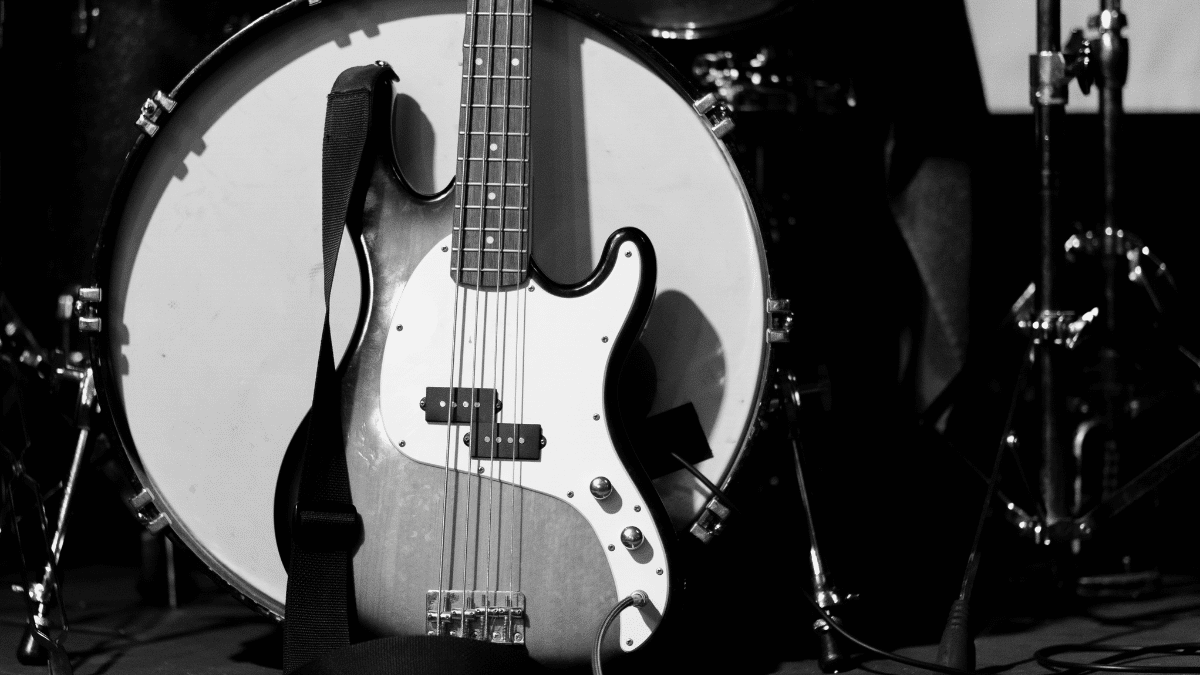
Ready to take your rhythm section from good to unforgettable? It’s time to dive into bass and drums practice exercises that actually work.
If you and your drummer have been jamming for a while but still feel like something’s “off,” the missing ingredient is likely structured groove practice. Playing songs is fun, but real groove is forged in the fire of repetition, timing drills, and trust-building exercises.
So grab your drummer (or a drum machine), warm up your fingers, and get ready to go deeper than ever into the pocket.
Why Groove Practice Matters More Than Rehearsal
There’s a big difference between rehearsing a set list and actually practicing groove. Rehearsals are about song structure, transitions, and cues. But bass and drums practice exercises are all about feel.
Here’s why it matters:
- You develop musical chemistry
- You improve your internal timing
- You learn to communicate nonverbally
- You build consistency that carries into live shows
These exercises will help you achieve that, one locked-in groove at a time.
Exercise 1: The 2-Bar Loop Challenge
This is one of the simplest, most effective bass and drums practice exercises out there, and it’s addictively fun.
How to do it:
- Choose a simple 2-bar drum groove.
- As the bassist, play a simple line that locks into the kick and supports the snare.
- Loop those two bars… again and again… for at least 5 minutes straight.
- Focus on micro-adjustments: tone, dynamics, feel.
Why it works:
Repetition builds groove memory. This exercise strengthens your timing and teaches you to feel slight variations in the drummer’s pocket.
Exercise 2: Play With and Without a Click
Drummers and bassists both benefit from click practice, but here’s the twist: learn to feel the groove with the click, then test it without.
How to do it:
- Set a metronome to 70–80 BPM.
- Play a 4-bar groove with the click for a minute.
- Mute the click, and keep playing for another 2–3 minutes.
- Bring the click back in. Are you still in time?
Why it works:
This tests your internal clock as a unit. A tight rhythm section should be able to stay locked, even when the external reference disappears.
Exercise 3: Trade Eighths and Sixteenths
This one boosts your responsiveness and strengthens your groove vocabulary.
How to do it:
- Drummer starts with a basic beat.
- You play eighth notes for two bars.
- Switch to sixteenth notes for the next two bars.
- Go back and forth for 5+ minutes.
Optional twist: Have the drummer switch up their pattern too… ghost notes, syncopated hi-hats, rim shots. You adapt.
Why it works:
It trains you to adapt rhythmically while staying glued to the groove.
Exercise 4: Groove Call and Response
Think of this like a musical conversation.
How to do it:
- Drummer plays a 1- or 2-bar groove.
- You “respond” with a groove that complements or mirrors it.
- Switch… now you play first, and the drummer answers.
- Keep the phrases short and groovy.
Why it works:
It develops groove intuition and trains you to hear rhythmic ideas and respond with intention.
Exercise 5: The Ghost Note Sync-Up
This one’s a deeper dive. Ghost notes are subtle, so this is about listening and matching energy, not just rhythm.
How to do it:
- Drummer plays a groove with ghost notes on the snare.
- You add subtle ghost notes (muted plucks, low-volume notes) in between your main bass notes.
- Try to mirror the drummer’s energy, not necessarily their exact pattern.
Why it works:
Subtlety = groove mastery. Matching ghost note dynamics helps you blend and groove like pros.
Exercise 6: Dynamic Drops
Playing tight isn’t just about time, it’s about touch. This exercise sharpens your control.
How to do it:
- Groove at medium intensity.
- At random intervals, drop to whisper-quiet playing.
- Then build back up to full volume, together.
- Do it without talking or cueing—just eye contact or feel.
Why it works:
Real rhythm sections control the emotional flow of a song. This teaches dynamic awareness and builds musical trust.
Bonus: Record Yourself
No matter which bass and drums practice exercises you do, always record yourselves, even on a phone.
Listen back. What worked? What felt stiff? Where did the groove pop?
You’ll improve twice as fast when you can hear where you’re tight (or not) as a rhythm section.
How Often Should You Practice Together?
Ideally:
- Once a week for 30–60 minutes of groove-specific practice
- Rehearsals are separate… this is groove-only time
- Consistency is more important than length
You’ll start to notice the groove showing up in rehearsals, gigs, and recordings.
Remember… Groove Isn’t Luck, It’s Built
A tight rhythm section doesn’t happen by accident. It’s built on intention, sweat, patience, and yes, plenty of mistakes. The more bass and drums practice exercises you do together, the more effortless the groove will feel.
Remember: the audience may not know exactly what you’re doing, but they’ll feel it. That’s the power of a locked-in groove.
So next time you and your drummer get together, skip the set list. Start with the groove. The music will thank you for it.

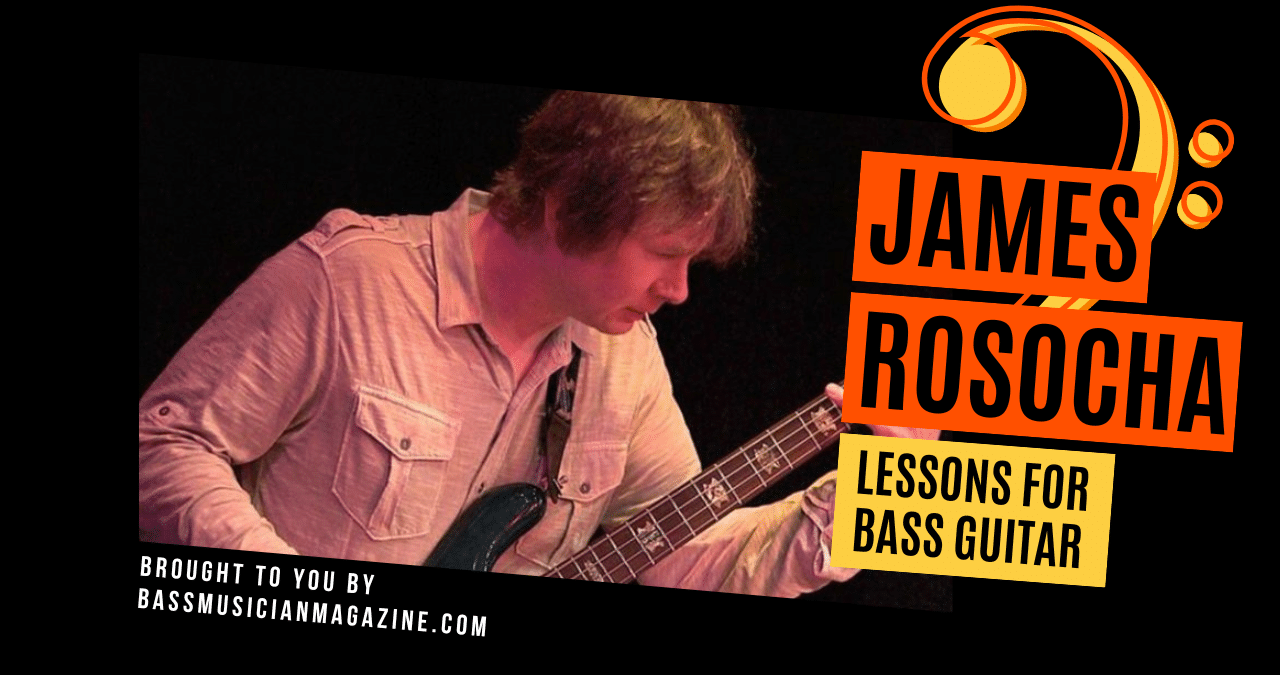
My next series of lessons using the pentatonic scale will continue exploring several sequence variations and the ideas they generate. After working on these sequences as strict exercises, melodic ideas should begin to creep into your playing. Spend enough time on each exercise until they become muscle memory. Make a conscious effort to apply these ideas to your groove and solo repertoire.
The first exercise follows a pattern starting with the second scale degree, third, fifth, and root. Follow the pattern up and back through the scale.

The second exercise starts with the pattern– root, 3rd, second scale degree, and fifth. Follow the pattern up and back, respectively.

The third exercise starts with the pattern—root, 5th, second scale degree, and the third. Follow the pattern up and back, respectively.

It will take more than one practice session to commit the ideas to memory. Make a commitment to making these exercises a normal part of your practice routine. Good luck!


Being a great bassist isn’t just about scales, chops, or playing complex lines. At a certain point, you realize the real difference between a solid player and a true professional comes down to one thing: how you think about the music.
Thinking like a professional bassist means developing a deeper level of awareness, where every note has a purpose, every space is intentional, and every decision supports the music.
1. Know Your Role
The bass sits right between harmony and rhythm. We’re not just there to “hold it down”, we help shape the feel and direction of the groove.
A professional bassist is always asking:
- What does this song really need?
- Do I need to lay back, push forward, or stay out of the way?
It’s not about playing more—it’s about playing with purpose.
2. Listen First, Then Play
One of the biggest mistakes players make is thinking about what to play before actually listening.
Real listening means:
- Locking in with the drummer
- Following the harmonic movement
- Being aware of the band’s dynamics
Pro bassists don’t just react, they anticipate what’s coming next.
3. Groove Comes First
Technique matters… but groove is everything.
You can play all the right notes, but if the feel isn’t there, it won’t connect. On the flip side, a simple bass line with great time and feel can make the entire band sound better.
At the professional level, the priorities are clear:
- Time
- Tone
- Feel
Everything else comes after that.
4. Leave Space
Silence is part of the music.
Knowing when not to play is a skill that separates experienced players from mature musicians. Space gives the groove clarity and lets the music breathe.
You don’t have to fill every bar.
Sometimes the best note is the one you don’t play.
5. Serve the Music
The ego can get in the way of great playing.
Professional bassists aren’t trying to impress; they’re trying to make the music feel right. That means making choices that support the song, even if they’re not flashy.
That’s real musical maturity: doing what the music needs, not what your ego wants.
Thinking like a professional bassist is a lifelong process.
It’s about constantly growing in how you listen, how you feel, and how you respond in the moment.
At the end of the day, it’s not just about the notes you play; it’s about how you support, connect, and elevate the music.
“Play less. Listen more. Serve the music… always.”
— Jaime David Vázquez

Hello bass players and fans of bass playing! This month, we’re going to talk about The Art of Playing Live! ARE YOU READY TO GROOVE?
There’s a powerful shift that happens the moment you step on stage.
Practicing at home is about control.
Playing live is about connection.
And as bass players, we live right in the center of that transformation.
We are not just supporting the band… we are anchoring the entire musical experience.
Groove Over Everything
In a live setting, perfection is overrated.
The audience won’t remember how many notes you played… but they will remember how you made them feel. The way your bass locks in with the kick drum can move an entire room without saying a word.
Playing less, with intention, often creates more impact than filling every space.
Great bass players understand this: Space is part of the groove.
Listening is Your Superpower
One of the most underrated skills on stage is deep listening.
Your connection with the drummer defines your foundation.
Your awareness of the vocalist shapes your dynamics.
Your sensitivity to the band creates cohesion.
When you truly listen, you don’t just play your part, you become part of the conversation.
And that’s when live music stops being structured… and starts being alive.
Presence Speaks Louder Than Notes
You don’t need to be front and center to command attention.
Presence is not about position—it’s about energy.
A bass player who is engaged, expressive, and connected elevates the entire performance. Your body language, your movement, your eye contact—it all communicates something beyond the instrument.
If you feel the music, the audience will feel it too.
Preparation Creates Freedom
The best live moments often feel spontaneous—but they are built on preparation.
Knowing the structure, transitions, and dynamics of each song gives you the confidence to explore without losing control.
When you’re prepared, you don’t overthink.
You react. You adapt. You create.
And that’s where the magic lives.
Adaptability is the Real Skill
No two stages are the same.
Different rooms. Different sound systems. Different audiences.
Sometimes, even different band dynamics.
A strong bass player reads the room and adjusts.
Maybe you simplify.
Maybe you dig in harder.
Maybe you leave more space.
Live performance is a living organism, and your role is to keep it grounded while allowing it to breathe.
Playing live is not just a performance… it’s a responsibility.
As bass players, we don’t just play notes… we shape the feel, the pulse, the emotional core of the music.
So the next time you step on stage, remember:
You are not in the background.
You are the foundation.
And everything moves because you do.
Stay tuned for more great stuff in the next issue and keep in touch with #bassmusicianmag,
#basslines, #bmmbasslines, #keepgrooving, #keepthegroovealive&kicking, #jdvinstrumental, #groovewars, #fullbassattack, #jdv, #boricuabass, #groovingtheworld, #bassgrooves, #groovemaniac, #6stringbass, #goodpracticemakesperfect #theartofplayinglive, #livemusic
The bass line is the heartbeat of modern music. It bridges rhythm and harmony, connecting the groove of the drums with the harmonic structure of the band. A well-crafted bass line does more than support; it defines the feel, direction, and emotional impact of a song. From Motown to rock, jazz to Latin music, the bass serves as both anchor and storyteller.
What Makes a Great Bass Line?
A great bass line balances time, tone, note choice, and space. While technical skill is valuable, musicality and intention are what truly elevate a bass performance.
1. Time and Groove
The primary responsibility of the bassist is to lock in with the drummer. This rhythmic unity creates the pocket, the groove that makes listeners move.
• Play slightly behind the beat for a laid-back feel
• Sit on top of the beat for energy and drive
• Maintain consistency to build trust within the band
Legendary players like James Jamerson demonstrated how groove can define an entire genre.
2. Note Choice and Harmony
Bass lines outline chord progressions and guide listeners through harmonic movement.
Essential tools include:
• Root notes to establish tonal center
• Fifths and octaves for strength and clarity
• Passing tones to create motion
• Chromatic approaches for tension and release
A strong bass line makes harmony audible even without chords.
3. Space: The Power of Restraint
One of the most overlooked aspects of bass playing is silence. Space allows the music to breathe and enhances the impact of each note.
Ask yourself:
• Does this note serve the song?
• Am I leaving room for other instruments?
Great bassists know that what you don’t play is just as important as what you do.
Styles of Bass Lines
Walking Bass
Common in jazz, walking bass lines use quarter notes to create forward motion while outlining chord changes.
Ostinato and Riffs
Repeated patterns, common in rock, funk, and Latin music, establish identity and groove. Think of iconic riffs that define entire songs.
Melodic Bass Lines
In modern genres, the bass often takes on a lyrical role, using phrasing and dynamics to create memorable melodies.
Tone: Your Sonic Signature
Your tone is your voice. Factors that shape tone include:
• Fingerstyle vs. pick vs. slap
• String type and gauge
• Instrument choice
• Amplification and EQ
A warm, round tone suits ballads, while a brighter tone can add articulation and presence in dense mixes.
The Bass in Contemporary Music
Today’s bassist must be versatile. In modern productions, bass lines may blend traditional playing with effects, extended range instruments, and melodic approaches. Six-string basses, looping, and chordal techniques are expanding the role of the instrument beyond its traditional boundaries.
The bass line is more than a supporting role, it is the foundation upon which music stands. Whether simple or complex, the best bass lines serve the song, connect the band, and move the listener.
As bassists, our mission is clear: support, enhance, and inspire through groove and musicality
Stay tuned for more great stuff in the next issue and keep in touch with #bassmusicianmag,
#basslines, #bmmbasslines, #keepgrooving, #keepthegroovealive&kicking, #jdvinstrumental, #groovewars, #fullbassattack, #jdv, #boricuabass, #groovingtheworld, #bassgrooves, #groovemaniac, #6stringbass, #goodpracticemakesperfect, #jdvbass, #jdvinstrumental