
Latest
Meshell Ndegeocello’s Genius in Plantation Lullabies

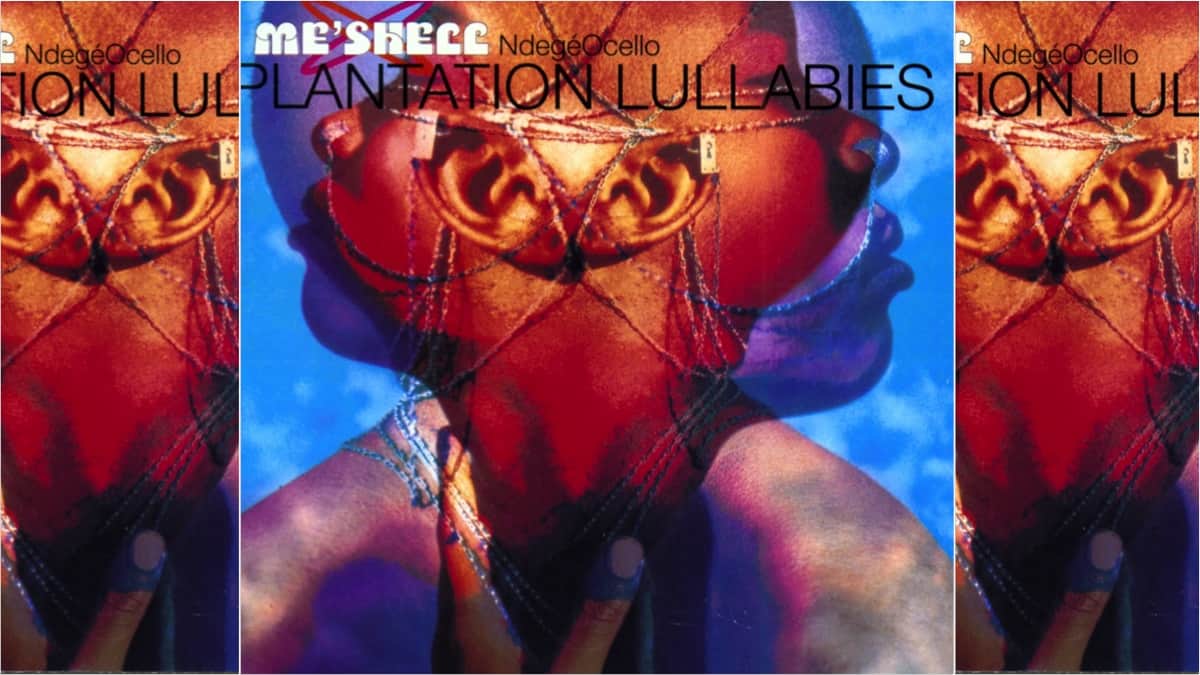
Meshell Ndegeocello is a talented and influential bass player and singer-songwriter who has made a significant impact on the music industry.
One of Meshell Ndegeocello’s most notable works is her 1993 album “Plantation Lullabies,” which was released to critical acclaim and earned her a spot on the Billboard 200 chart, where it charted at number 166.
Released in 1993, “Plantation Lullabies” was released during a time when the music industry was undergoing significant changes. The early 1990s saw the rise of alternative and indie rock, as well as the emergence of hip-hop and R&B as mainstream genres. Additionally, the industry was still recovering from the impact of the compact disc, which had replaced the vinyl record as the primary format for music consumption. At the same time, there was a growing number of women and people of color in the industry, particularly in the fields of R&B, hip-hop, and alternative music. This increased representation helped to bring more diverse perspectives and voices to the mainstream. In that sense, Meshell Ndegeocello, a black woman, was one of the voices that helped to break barriers and bring more diversity to the music industry.
One of the standout features of “Plantation Lullabies” is Ndegeocello’s innovative and masterful use of the bass guitar. On tracks like “I’m Diggin’ You (Like an old Soul record)” (the album opener), “Dred Loc” and “Soul On Ice”, Ndegeocello showcases her impressive technical skills and ability to create complex, yet minimal and nuanced bass lines that drive the music forward.
But “Plantation Lullabies” is more than just a showcase for Ndegeocello’s musical prowess – it’s also a deeply personal and political record. Throughout the album, Ndegeocello tackles themes of race, sexuality, and identity with honesty and vulnerability, using her music as a platform to speak out against injustice and discrimination. In the R&B and hip-hop scene, at the time, there was a wave of socially conscious and politically charged music that was emerging. Themes such as race, class, gender and sexuality were addressed by all sorts of artists. In that sense, Meshell Ndegeocello’s “Plantation Lullabies” aligns with that context and it was seen as a socially conscious and politically charged album that addresses themes such as race, sexuality, and identity.
One of the standout tracks on the album is “If That’s Your Boyfriend (He Wasn’t Last Night),” which addresses issues of infidelity and consent in a way that was groundbreaking at the time. The song became a hit, and its relatable and thought-provoking lyrics helped to solidify Ndegeocello’s reputation as a talented and insightful songwriter.
In conclusion, “Plantation Lullabies” is a groundbreaking and influential album that showcases Meshell Ndegeocello’s undeniable genius as a musician and artist. Its impact can still be felt today, and it remains a testament to Ndegeocello’s talent and vision. The album not only deals with personal and political themes that were groundbreaking at the time but also features some of the most killer bass lines, that stood the test of time, and are great for practicing technique, groove and time.
This album is a must-listen for any music fan, and its message and sound continue to resonate with audiences today.
Plantation Lullabies is available at Amazon.com


Check out our top 10 favorite basses on Instagram this week…
Click to follow Bass Musician on Instagram @bassmusicianmag
FEATURED @cream.guitars @vosguitars @bite.guitars @wojtekpilichowski @pensacustomguitars @rikkersguitars @deoliveira_bass @overloadguitars @daniel_furian_luthier @bassworx_bab
Check out our top 10 favorite basses on Instagram this week…
Click to follow Bass Musician on Instagram @bassmusicianmag
FEATURED @pensacustomguitars @foderaguitars @dingwallguitars @mubcustom @thebassshop @hotwirebass @martyobrien @dacruzluthieria @baumguitars @luthier.aquilina
Check out our top 10 favorite basses on Instagram this week…
Click to follow Bass Musician on Instagram @bassmusicianmag
FEATURED @warwickbassesofficial @walbasscollective @fidelityguitars @bass.buddha @rayriendeau @paullairat @marusyaguitars @stevemcdbasses @michaeltobiasdesign @alesvychodilbasses
Check out our top 10 favorite basses on Instagram this week…
Click to follow Bass Musician on Instagram @bassmusicianmag
FEATURED @pensacustomguitars @niklas_lukassen @malinoskiguitar @custom_painter @belforti.instruments @mubcustom @sebastiengavetguitars @carl_thompson_guitars @marleaux_bassguitars @wilcockbasses
Check out our top 10 favorite basses on Instagram this week…
Click to follow Bass Musician on Instagram @bassmusicianmag
FEATURED @hiltonguitars @olintobass @vortice.custom.guitars @cb_basses @belforti.instruments @acguitars.co.uk @basscentralofficial @michaeltobiasdesign @timsway1 @officialspector

Interview With Bassist Ellen Alaverdyan and Guitarist Hovak Alaverdyan

Gear News: Fender Honors James Jamerson with a 1962 Precision Bass

Artist Update With The Revivalists’ Bassist George Gekas

Maestro Ron Carter, Sharing the Spirit – June/July 2026 Issue

New Music: Danielle Nicole, Tug Of War

Right Hand Technique Strategies with Dr. Randy Kertz

May 4 Edition – This Week’s Top 10 Basses on Instagram
May 11 Edition – This Week’s Top 10 Basses on Instagram
May 18 Edition – This Week’s Top 10 Basses on Instagram