
Marketing
Best Career Options for Bassists


You might be wondering what the best career options for bassists are beyond just playing in a band. While performing is the dream for many, there are plenty of other ways to turn your bass-playing skills into a sustainable career. Whether you want to teach, compose, or work behind the scenes in the music industry, there are many paths to explore. Let’s dive into the best career options for bassists that can help you make a living while doing what you love.
Session Musician
One of the most sought-after best career options for bassists is becoming a session musician. If you have a strong sense of timing, groove, and adaptability, this career path can be both rewarding and financially stable. Session musicians play bass for recording artists, commercials, and film soundtracks. The more versatile you are, the more gigs you can land. Networking and building relationships with producers and fellow musicians are key to success in this field.
Bass Instructor
If you enjoy teaching and have a knack for breaking down complex musical ideas, becoming a bass instructor could be a great path for you to consider. You can teach at music schools, offer private lessons, or even create online courses. With platforms like YouTube, Patreon, and online lesson websites, you can reach students worldwide and generate passive income through instructional content.
Music Director or Arranger
Many bassists have a deep understanding of rhythm and harmony, making them great candidates for roles as music directors or arrangers. This role involves working with bands, choirs, or theater productions to create and organize musical arrangements. If you enjoy shaping the overall sound of a performance, this is one of the best career options for bassists to consider.
Touring Musician
Touring with bands or artists can be an exciting career path. Many well-established and up-and-coming musicians need reliable bassists for live performances. While this role requires frequent travel, it provides the opportunity to see the world, gain valuable experience, and build connections in the industry. If you love the stage, this is a great option to pursue.
Studio Engineer or Producer
If you have a passion for the technical side of music, consider working as a studio engineer or producer. Many bassists develop a great ear for mixing and production over time. Learning how to record, edit, and produce music can open doors to working with artists in a studio setting. This is one of the best career options for bassists who want to be involved in music creation beyond just playing an instrument.
Film and Video Game Composer
Did you know that many bassists go on to become film and video game composers? If you have composition skills and an interest in creating soundtracks, this could be an incredible career path. Bass-heavy compositions can bring depth and emotion to visual media, making this one of the best options for bassists who enjoy composing.
Instrument Technician or Luthier
Some bassists develop an interest in the craftsmanship of their instruments. If you enjoy working with your hands and understanding the mechanics of bass guitars, becoming a luthier (instrument maker) or technician could be a great career path. Many professional bassists rely on skilled technicians to set up and maintain their instruments, making this an option for bassists who love gear and craftsmanship.
Music Therapist
Music has the power to heal, and as a bassist, you can use your skills to help others. Music therapy is a growing field where musicians work with individuals facing physical, emotional, or cognitive challenges. This career path requires additional education, but it’s one of the best career options for those who want to make a positive impact on people’s lives through music.
Songwriter or Lyricist
If you have a passion for songwriting, you can turn it into a career. Many bassists develop strong melodic and rhythmic instincts that translate well into writing music. Whether you’re crafting songs for yourself, other artists, or even commercials, this can be one of the best career options for bassists looking to expand their creative reach.
Music Journalist or Blogger
Love writing and bass? Combine the two by becoming a music journalist or blogger. You can review albums, interview musicians, and share industry insights. With dedication, this can become a full-time career or a great side gig. If you enjoy storytelling, this is one of the best career options for bassists that lets you stay connected to the music world without performing.
There are many best career options for bassists beyond just performing in a band.
Whether you want to teach, compose, record, or explore other avenues in the music industry, there’s a path for you. By leveraging your skills, passion, and creativity, you can build a fulfilling career while staying true to your love of bass. Take the time to explore your options and find the career that resonates with you the most!


Now in its sixth edition, The Complete Guide to Music Marketing has provided expert advice, current resources and a-ha moments to musicians globally since 2019.
The first edition was written when David was studying for his Bachelor’s Degree and enabled him to gain a 2.1 at the University of West London. The 2025 version is the biggest and best yet. However, now we see new sections to the book such as submitting electronic music to DJs, AI for musicians and the section on learning.
Other sections have been updated, resources checked for currency and usefulness for music artists and personal details updated.
The Complete Guide to Music Marketing 2025 is available at Amazon.com

Grab Your Musicians Guide to Merch…
Remember, it’s called the music business.
Selling merch is one of the most profitable things indie musicians can do. That’s why Merchly created this guide, packed with tips and tactics to help you get more out of each show. And by more we mean more money, more fans, and more success.
Here’s a peek at what’s inside:
- Tips to set up an effective merch table
- How to get fans to visit your merch table
- Creating a compelling visual aesthetic
- How to decide on products and pricing

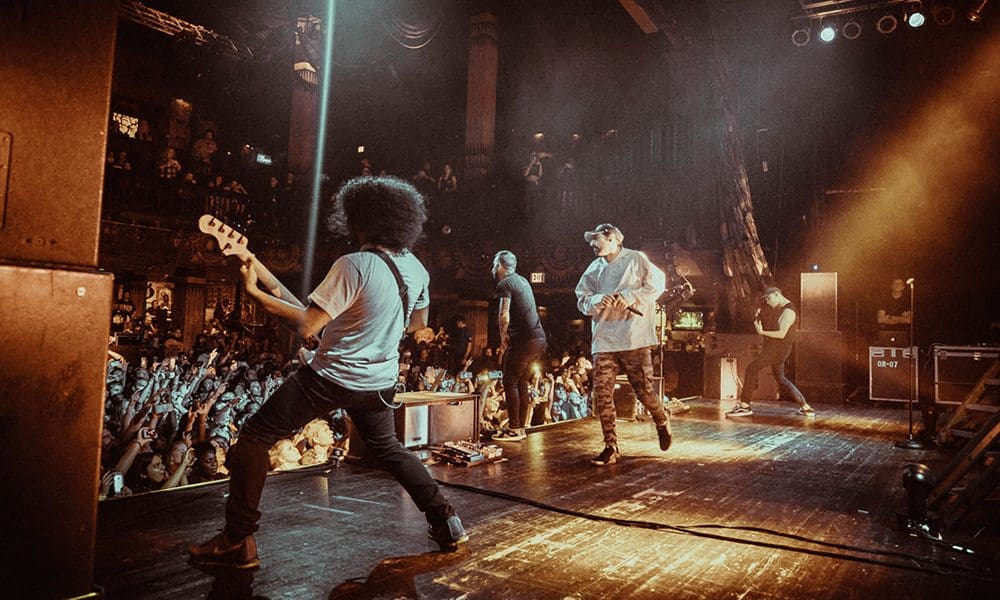
So you’re in a band and looking to step your game up as an artist and dip your feet into the world of endorsements to work with your favorite companies and establish some credibility to your name, but how do you start?
This article is going to cover everything you need to know about what you should do as an artist to secure that deal.
To understand endorsements and their purpose, the first question we must ask ourselves is “Who endorses who?” While endorsements are a mutually beneficial two way street, it is the artist who endorses the product. When you boil it down, the ultimate purpose of an endorsement is to help grow a brand. If the artist doesn’t qualify to help grow the brand, then the manufacturer wants that non-qualifying musician to purchase his or her gear from a local dealer or favorite Internet dealer. What they do want is to have an endorser promote their brand in order to influence their fans and/or peers to purchase that product or something else they make.
What a Company Looks for in an Artist
From a company’s point of view, they want artists that have influence, which means someone that gigs/records constantly and has a strong social media presence. Are you out there grinding it out playing shows and building a buzz around yourself as a musician? Are you getting out of your own local scene and growing your following in other cities? How’s your social media following? Do you have a solid number of followers and do you constantly engage with them and in turn, do they engage with you? These are questions you need to ask yourself because this is what companies look at when deciding to take on a new endorsee. Companies also value artists that are loyal. They want to work with artists that want to work with them, not artists that send generic endorsement inquiries that were most likely sent out to them and ten of their competitors.
What to Send in to a Company
Now that you’ve established that you as an artist have enough of a career to contact a company and get a deal, what do you send in to them? Introduce yourself, give them your 15 second elevator pitch explaining who you are as an artist and what you do.
Next, talk about the gear of theirs you use and why you like it. Again, loyalty is key and letting them know you are already using their product is a sign to them that not only you are knowledgeable about their company but that with or without an endorsement, you will be using their gear. If a company is on the fence about whether or not to take you on as an artist, that type of loyalty could tip the odds in your favor.
Speaking of gear, if there is additional products they make that you’re interested in, this is the time to mention it. In your submission to the company, you should also attach your Electronic Press Kit (EPK) for them to understand who you are as an artist, what you bring to the table, and ultimately why they should care about you. If you don’t have an EPK, the folks over at Sonicbids have a great breakdown of what you need to do here. Lastly, you should include any existing endorsements you have in your submission if you have any. A great way to increase your chances of landing a deal is by showing that other companies are investing in you and see value in bringing you on board as one of their artists to influence customers to purchase their products.
What Type of Endorsements are Available
So a company has offered you a deal. Awesome! But what did they offer you? There are three different tiers available for artists.
- Class C is cost plus a percentage, usually 10-15%. This is the lowest deal which offers the least amount of risk to a company.
- Class B is a cost deal; whatever it costs them to make the product is the price you pay.
- Lastly, Class A is a full ride deal, everything is on the house. This is the deal most artists want but not everyone gets. It is important to note here that some companies strictly do not offer class A deals because they feel if the artist really wants their product, getting a discount from them is better than paying full price at a retailer either in-store or online.
There is also the difference between an exclusive deal and non-exclusive deal. An exclusive deal means you are tied to that company and can’t endorse any of their competitors. If you have a non-exclusive deal, you are free to do as you please.
In my experience, I think it’s in your best interest as an artist to treat any deal you have as if it’s an exclusive deal. Let’s create a hypothetical scenario to show you why. A non-exclusive company is working with two artists: one who treats his deal like it’s an exclusive deal and is loyal to the company, the other endorses two of their competitors. The company is put in a position to highlight one of their artists for an upcoming social media takeover they want to do. Guess which one of those artists is most likely to receive that extra love from the company?
What is Expected From the Artist?
As an artist, you have expectations you must fulfill when you are on a company’s roster.
First, you must obviously use the gear in studio and on stage.
You are also required to make social media posts about the company using tags and hashtags. We live in a digital age where social media is king and companies rely on social media heavily to keep people updated and informed on product releases and any other news that is relevant to them so your posts on your pages about them are valued just as heavily.
If you’re in the studio laying down drum tracks for your new album and have a stick sponsor, take a picture from behind the kit of your sticks and talk about how tracking is going, making sure to tag and promote your company as well.
Same goes for anything you’re doing in a live setting, whether it’s a tour announcement, an onstage photo or acandid shot on the road. Giving the companies visibility while you’re out there working is exactly what the companies want to see.
In the same way, make sure to make posts on social media and your website when a new deal has been made to get that news out there and establish your relationship in the public space.
Also, anytime you are doing interviews, make sure the interviewer knows you have companies backing you so you can have that brought into the conversation. When those interviews are posted, circle back to your artist rep and send that over so that they can keep it on file, and maybe even share it to all of their followers too.
As an artist, you also need to do photoshoots so the company has images of you with their gear so that they in turn can promote you via social media and official websites. You can also use those pictures to fulfill your promotional obligations to the company.
As an endorsed artist, you also need to link the companies you work with from your official website. In the early stages, including the handful of companies at the bottom of your homepage with hyperlinked logos is more than fine. Once you start growing and have more companies supporting you, having a tab on your site dedicated to them is recommended.
Lastly, you need to include your endorsement companies in the liner notes of any physical copies of your music. You used their products to create this group of songs, it only makes complete sense to thank them for their products and support.
What is Expected From the Company?
In the same way you have to hold up your end of the endorsement deal, so does the company.
The first thing a company will do is put you up on the artist page of their website. I’m sure many of us have spent a minute or two browsing the artist section of our favorite companies seeing who is playing what gear. As an endorsed artist, you now get to join those ranks and have your name listed on their website. Depending on the layout of the page, it could simply be your name hyperlinking to your website or a full artist profile with your picture, bio and links to your music. Either way, that’s extra exposure to the company’s core audience.
Speaking of exposure, social media promotion is another way the company can give additional visibility to their artists so whenever you have an album release, music video release, tour dates or anything cool coming up in your career, send that information over to your artist rep ASAP so they can work it into their social media calendar.
If they end up doing a big media push around a product model you happen to use, there might be opportunities for them to use your likeness as well.
Additional exposure outlets come from trade shows like the NAMM Show. With so many artists wandering the convention center floor, companies like to use them to drive extra traffic to their booths so you could end up doing a signing for them alongside some of their other artists.
Another way companies give exposure to their artists through trade shows is social media interviews. While companies usually take to social media during NAMM to showcase and highlight the new products they will be rolling out for the year, they also like to take the opportunity to bring their artists to the booth to either perform or do interviews with them and talk about what’s going on in their careers, what products of theirs are currently in their rig and why they love using it. Especially with the live components of Instagram and Facebook, companies have been keeping with the times and getting on board with that to promote their artists.
A curveball in the artist-to company relationship is the potential for creative partnerships. This could be as simple as giving away company swag through social media contests to a full on takeover of the company social media pages to give their audience a look into a day in the life on the road with your band.
While it may not sound like a huge perk, having direct-to-artist shipping is extremely convenient and helpful, especially if you’re in the middle of nowhere on tour and you need a company to dropship you some products on the fly.
Lastly, what you can expect from a company is credibility. Having a company supporting you and backing you goes a long way, especially for a low to mid-level band. When other people in the industry (promoters, booking agents, management) see a company has taken a chance on you and believes you have the ability to influence people to buy their product, it makes everyone else take you that much more seriously and makes them take a bit more interest in you.
In closing sponsorships are a great way to up your game as an artist while cultivating new relationships within your industry and create new networking opportunities.
I hope this article shed some light on sponsorships and gave you some useful tips that you can put into practice in your own careers. Good luck!
Submission by Mike Wright, Founder and CEO of SongCast
Touring the Right Way – Six Tips for an Effective Tour
Most bands would count a successful tour as one where the band members all get along (for the most part) and the band connects with fans. While both of those outcomes are great, a tour also needs to make money, especially if the band is planning future tours.
Bands that are starting out or don’t have massive followings can’t really negotiate pricing with club or concert hall owners. There’s no leverage on their side, so they’ll be paid the typical amounts for each show. So for a band to protect their profits they have to carefully manage expenses. You want to develop a fan base, and spend money when necessary, but the band has to survive.
Following these six tips can help musicians enjoy their tour and hopefully bring home some case when the road trip is finally over:
- Stay for cheap. Lodging costs eat up a lot of your budget, but you can’t all sleep in the van, so you need a decent play to rest for the night. Consider booking rooms before leaving on the tour, and then checking rates frequently to see if you can find a cheaper alternative. Sites such as Expedia and Hotels Tonight offer good last-minute rates, which can help you grab a nicer hotel for less money. Also look for free Wi-Fi and take advantage of free breakfasts if available. Going out for pancakes for five people can easily cost $60 or more, so grab any freebies.
- Bring your own food. Even if your food tastes are Chipotle and Arby’s, you still want to avoid a constant stream of fast food. The costs will add up, and you’re going to feel sluggish after a while. Eating out is a massive touring expense, so try to bring your own food (within reason) to help avoid a constant drain on the budget. Buy some snacks at Costco, and bring your own water bottle and fill it up whenever you can. Dropping $20 on snacks and water at every gas station will really add up over a long summer tour.
- Sling that merchandise. Selling merchandise isn’t just about earning some extra money, it’s a way to create “walking billboards” and grow a fan base. You should always have merchandise on hand while you’re on the road, both at the gigs and during any restaurant or gas stop. Never miss an opportunity to pull in some cash.
- Embrace efficiency. A long road trip means a lot of fun miles traveled, but that also means costs in terms of gas and maintenance for your vehicle. Pick a van/SUV that gets decent mileage and try to avoid a trailer unless absolutely necessary, as it will drop down your MPG. Have the vehicle inspected and fixed before the tour begins and set aside some budget for any unexpected issues.
- Avoid the bar tabs. Unless the club lets you all drink for free, then you should avoid knocking back drinks before, during, or after the show. It is fine to have some celebratory drinks every once in a while, but if the whole band has 15 drinks a night, you’re looking at $150 or more just in bar money. BYOB if you need a beverage to loosen up before a show, but don’t burn all of the money you received for a gig on pricey cocktails and craft beers.
- Contact the local press. Local TV and radio stations need to fill dead blocks of time – there’s simply not enough news. Contact local stations about your upcoming show and they just might give you a free plug. Be sure to talk about what makes your band unique so the news has a decent “hook” for your story. Hustling for this type of publicity can get people in the door, and more money in your pocket.
These six tips aren’t meant to turn an amazing tour into a penny-pinching and painful odyssey. However, making money is important for the band’s success. The bandmates need money to pay their bills, you need to pay for better mics and equipment, and you need to reach more fans.
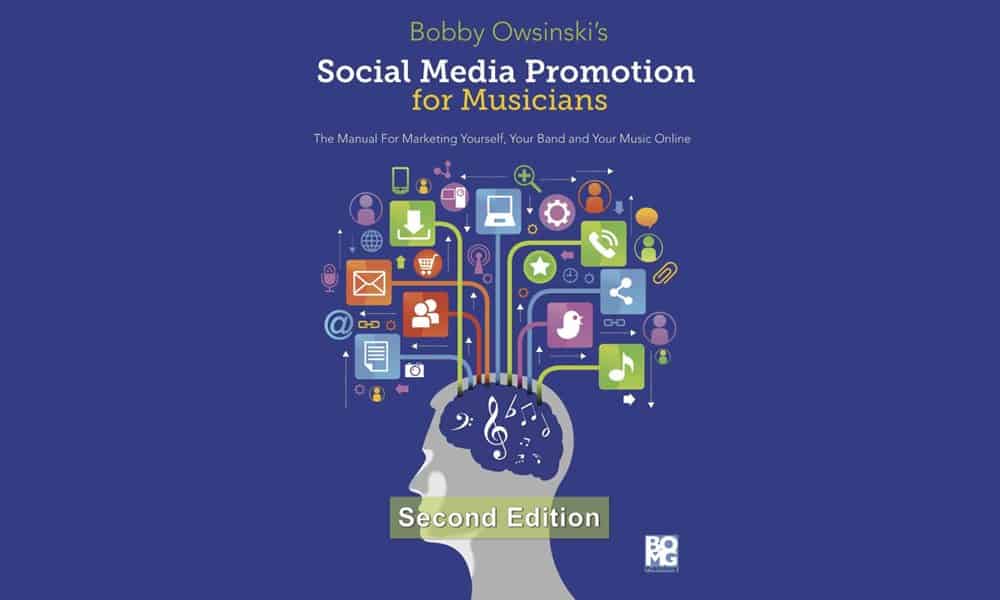
Social Media Promotion For Musicians – Second Edition: The Manual For Marketing Yourself, Your Band, And Your Music Online
 Learn how to use social media to promote your band, your music or yourself with the Second Edition of Social Media Promotion for Musicians. The completely updated book reveals a host of online insider tips and tricks that will help you gain more fans and followers, increase your views and streams, and grow your ticket and merch sales.
Social Media Promotion for Musicians shows artists, bands, engineers, producers and songwriters the latest techniques and strategies to increase your online presence more effectively and efficiently than you ever thought possible.
You’ll Discover
• How to increase your online exposure to increase your fan base
• How to have more time for creating by saving at least an hour
every day on common social media operations
• Exclusive promotional tips that boost your streams, views and
followers
• How to discover and develop your personal or band’s brand
• The secret behind successful posts and tweets
• Why a mailing list is the key to your ticket and merch sales
• And music more!
Social Media Promotion For Musicians covers how to promote yourself on the following platforms:
Facebook
YouTube
Instagram
Twitter
Websites
Newsletters
Blogs
Playlists
Even LinkedIn
Social Media Promotion For Musicians available at Amazon.com

Maestro Ron Carter, Sharing the Spirit – June/July 2026 Issue

New Music: Danielle Nicole, Tug Of War

Right Hand Technique Strategies with Dr. Randy Kertz

New Music: Golden Flower, Are You Even Awake?

Interview With Bassist Adam Russell
Right Hand Technique Strategies with Dr. Randy Kertz

April 6 Edition – This Week’s Top 10 Basses on Instagram
April 13 Edition – This Week’s Top 10 Basses on Instagram
20 April Edition – This Week’s Top 10 Basses on Instagram