
Features
Rock Bass: Artist Spotlight with Biscuit – Interview with Bassist Jerry Scott


In this month’s issue of Bass Musician Magazine, I’ve interviewed a man who has worked very hard to get where he is today and has become a real force in the competitive world of top bass players. He has played with some of the most prominent Rock artists and bands in the world and will continue to do so for many years to come. So let’s get down to business and introduce you all to this month’s Artists spotlight…Mr. Jerry Scott.
BISCUIT: Hi Jerry, thank you for taking the time to talk to me for the readers of Bass Musician Magazine, I’m sure they’ll enjoy this one very much, my friend.
JERRY: Cool man, thanks.
BISCUIT: I wanted to take you way back if I may Jerry, and begin by asking where you were born and where you grew up in your early years.
JERRY: Well Biscuit, I was born in Bedford Indiana, the same small town that John Cougar Mel encamp grew up in. But for the most part, I spent my time growing up in Florida.
BISCUIT: So you spent your early school years in Florida eh… would you say that you were a model student or a bit of a rebel?
JERRY: Well, I always played in a band in those days too, so does that tell you anything at all?
BISCUIT: Yeah, I think I get the message. You have moved around the U.S. quite a lot over the years, so where are you based out of at the moment my friend?
JERRY: I am in Houston in Texas at the moment, just taking it easy here for a while with the family, and taking care of some business. But I’m thinking of possibly moving back out west to Vegas or Los Angeles.
BISCUIT: Do you think that there are more musical opportunities in a place like L.A.?
JERRY: Oh yeah, absolutely, definitely in the music world for sure, you know.
BISCUIT: Moving on to your musical side, I believe you have been performing professionally since the age of sixteen, is that correct, and when did you first begin playing the bass guitar?
JERRY: In my high school band I was playing guitar as well as singing, and our bass player quit as his grades were going so far down. That led my dad to take me to the pawn shop where he bought me my first bass when I was about fourteen years old. So I started playing the bass and continued to sing as well at the age of fourteen.
BISCUIT: So we have good old dad to thank for the bass-playing Jerry we have today, eh my friend?
JERRY: Yeah…good old dad bought me that first bass, and I wish I knew where it was today. I just don’t know what happened to it at all, although I do remember that it was a Univox. That bass was missing the G string tuning key, so I super glued a drum key on the G string tuner instead, ha-ha.
BISCUIT: So what basses do you find yourself using these days Jerry? Am I right in saying that you have an endorsement with Spector, and are they your first choice of bass, and do you use any other basses besides Spector?
JERRY: A Spector Rex is what I use to record with, and I like to record with a five-string to get all the real low end stuff down that I need. I also have a ’74 precision bass and my BC Rich too…that I love to play. That has been a great bass, which my brother bought for me when I was fourteen years old and I have had it ever since.
BISCUIT: I know that you are also endorsed by Dean Markley Strings, so how did you get that deal, and what are the string gauges that you use?
JERRY: Well, when I joined the band Molly Hatchet back in 2000, I found out that they were one of the first bands back in the 70’s to have an endorsement deal with Dean Markley. So while I was in the band, I built up a pretty good relationship with them. I have been endorsed by Dean Markley ever since then and I love them, and those guys have treated me really great over the years. The gauges I use are usually 45’s you know, the mediums or medium lights. They are great strings, and a great company.
BISCUIT: I see also that you favor SWR rigs as your power output, so what is it that you like most about the SWR gear and what configuration to you tend to use on the road usually?
JERRY: I use two of the 750X heads in a rack and I kind of customized my rig and put it all on one large piece of plywood with giant castors on it for ease of movement. I have two SWR 4X10 cabs and two 1×15 cabs as well, and it’s all kind of put together with nuts and bolts. It’s just one big monstrous SWR rig on wheels and it sounds really “Killer”.
BISCUIT: What kind of power does that monster kick out on stage then…I would imagine it’s pretty ground-shaking.
JERRY: I pump out as much volume as I possibly can— normally. I think they are 2000-watt amps, but to be honest with you, I’m not really sure. But it’s really loud, and I’m confident that it is fit enough for any size venue that I may come across, anywhere.
BISCUIT: Have you a preference on the settings you use…do you like to get that real fat low-end growl or the higher end of the bass register?
JERRY: I like a combination really. It’s whatever fits the song, although I usually pull out all the mids and use the highs and the lows. I like to pretty much go as low as I can without distorting the sound. I’ll usually use my fingers to play, but for metal, I’ll use a pick.
BISCUIT: Did you ever, or do you now play any other instrument other than the bass guitar…and if so, what instruments my friend?
JERRY: I really started off playing drums initially, and then I played guitar and still do to this day. I don’t tend to play drums on a kit these days as I program all of my drum parts with Sony software. I started using it about three years ago and I have about ten different sample discs that I use that have full loops on there. It also has guitar loops as well, and also saxophone and keyboard too. In fact, any kind of sample you would want can be found on that Sony music factory software…it has everything and makes it a lot easier for me to be able to write.
BISCUIT: Let’s move on to the bands now, if I may. Since those early days when you got that first bass from your dad, you have been seriously busy over the years you have spent in the music business, and you have worked with some amazing musicians along the way as well. Some of the biggest names in the industry have had your bass lines adorn their work. In the late eighties, and early nineties, you were in a band called “Syndicate”. What do you remember about that particular band?
JERRY: That was a great band, and they put out a 4 song EP back in the eighties and actually sold around ten thousand copies in Florida. “Syndicate” was a pretty big band back then in the Florida area, and everywhere we played was pretty much sold out at every venue. I was in that band for at least five years in my early 20’s.
BISCUIT: Did you ever imagine back then that you would end up getting gigs and recording with the major artists that you eventually ended up getting together with later in your career?
JERRY: Well, I kind of always hoped that I would move on up from the club bands to a national one…. yeah, I was certainly ambitious for sure.
BISCUIT: You have also played some pretty big venues during your career as well, many of them ten thousand seaters, and many more even bigger.
JERRY: Yeah, the biggest one I ever played was when I was with Brian Howe and “Bad Company” in Chicago in front of 57.000 people…now that was really awesome.
BISCUIT: You have also supported bands such as Journey, Heart, Kansas, Reo Speedwagon, and Pat Benetar amongst others, which must have been amazing. So what would you say are your most outstanding memories among all of the great experiences with these great bands?
JERRY: Let’s see…when I played with Molly Hatchet, we did a tour with Nazareth and that was a really great experience because those guys were amazing, and we also did a lengthy tour with Deep Purple and that was really awesome too, with Ian Gillan and the guys touring all round Europe and pretty much everywhere else for that matter.
BISCUIT: You were with Bad Company as you said earlier, and that was between 1994 and 1999 if I’m right. I can imagine you must have done some amazing shows with Brian and the guys.
JERRY: Yeah…it was a fantastic time for me, and Brian Howe is one of the best singers I have ever heard in my life.
BISCUIT: How did you manage to get the gig with Bad Company?
JERRY: Well, I was in a band called “Little Tramp”, and me and the guitarist both got an audition for the gig and got the job at the same time. And also at that time, the drummer Gary Moffatt from the band “38 Special” was on the drums, and we all played together for about a year in that band.
BISCUIT: It was in 2000 that you joined Molly Hatchet, and was in the band for around three years…is that correct?
JERRY: Yeah, it was about three years. The drummer and I grew up together, but not the original drummer of course. Sean and I grew up together, and he brought me into that gig. We played in bands together earlier on, and he later went on to join Molly Hatchet. I was living in Hawaii at the time of getting that phone call from that band. I was pretty much looking to leave Hawaii at that time anyway, so that’s how I joined Molly Hatchet.
BISCUIT: You worked on the double album that was recorded by them in Germany too, I believe.
JERRY: I did a re-recording of all of Molly Hatchets greatest hits, which was seventeen songs, and that turned out to be a great record. It was done in studios just outside Hamburg in Germany.
BISCUIT: I would like to move on to 2005, and your touring with XYZ, and a little later on Healer, which involved members of White Zombie. What are your memories of those days?
JERRY: The XYZ thing was with Terry Ilous singing, and he was the original vocalist with XYZ and had the most amazing voice. That band opened up a lot of doors for me, and those were good days. They were a really great melodic metal band, and it was real fun…and yeah, then I moved on to Healer. I actually answered an add in a magazine and it was the drummer from White Zombie. We hit it off right away and we ended up doing the Warps tour. That was a great metal band to play with and the Spector basses came in real handy on that one for the metal stuff, and I used a pick on those tunes too. I was saying earlier, I almost always use my fingers to play, but if I am playing metal, I will use a pick generally so as to get that click sound, like the Judas Priest thing.
BISCUIT: You have also worked with Rock legend Stephen Pearcy, who of course is the original lead singer with top rock band Ratt. I believe you accompanied Stephen on a few of his solo tours. How did you enjoy that gig Jerry?
JERRY: I actually played on three of the “Metal in America” tours and that was great fun, because when I was growing up and around the age of fourteen, Ratt was like my favorite band at the time, so as an adult being able to play all those Ratt songs was quite an experience for me.
BISCUIT: Is it right that you did around twenty shows in twenty-three days with Stephen?
JERRY: Yeah…we were driving all over the place at the time, and after every show we just drove straight on to the next state…. boom-boom-boom.
BISCUIT: More recently, you were involved with the band Laidlaw which toured with Lynyrd Skynyrd in 2007. I bet that was a time to remember.
JERRY: Yeah…that was really a great time. Laidlaw was a great band that has been around for a long time, and they have toured with Motley Crue and Van Halen too. I hooked up with them for the Lynyrd Skynyrd tour. We did all the West Coast, from San Francisco over to Arizona and it was a really awesome time and I think it was definitely the best tour I have ever been on. And after that, I became really good friends with the Skynrd’s bass player Ean Evans, and later ended up joining his project Evanscapps.
BISCUIT: Could you tell us some more about Evanscapps as this would bring us pretty much up to date my friend, would it not?
JERRY: Pretty much…well, of course, Ean was the bass player with Lynyrd Skynrd and he approached me with his idea for a separate project in which he was also working with Bobby Capps, who although was the keyboard player for 38.Special, was going to do the vocals on the new record. Todd Harrell and Chris Henderson from the great band “3 Doors Down” were also very much involved as well. So I realized it was going to be something well worth doing. Ean asked me to do all the bass tracks and he did all of the guitar parts, and Bobby of course came up with the amazing vocals.
BISCUIT: You did indeed manage to get it all together and come up with a fabulous record, entitled “Last Time”, which came out under the Rock Ridge label.
JERRY: Thanks, man. Ean had a nice home studio where we spent ten days getting my bass parts down together, and although he did not play any of the bass on this one himself, Ean did end up showing me a bunch of licks from his “Chops” box. Once I started putting all of my own chops together, with all that Ean had shown me, it made me a lot better bass player man.
BISCUIT: It was all worth it, because you managed to release a wonderful record which should not be missed. You got the deal my man, eh!
JERRY: Although we got the deal, it was only two weeks before Ean unfortunately passed away, and then the record actually came out only a week after he had left us, so it was all kind of surreal in a way. Yeah, man, we got it all recorded and re-mastered, and signed the deal and everything, and then Ean sadly died of cancer. He was the main songwriter, and this was his “baby” for sure, so it was all a bit strange really.
BISCUIT: Strange and sad at the same time, but you did manage to release a great bunch of songs together, and I think Ean would be very proud of that. I love the tracks that I have heard from “Last Time”, and in particular, “Anything Goes”. I think it has a great build up and the vocals are amazing, and that track really stomps along for me and has you producing that nice deep warm tone on the bass as well…wonderful stuff.
JERRY: Bobby is a killer singer man, and I can only describe the overall sound of Evanscapps as a kind of cross between Alice in Chains and 3 Doors Down.
BISCUIT: Also another great track, and my overall favorite so far is “Stand or Fall”, which I found very hypnotic and powerful at the same time. But having said that, I think all of the tracks that I have heard are really outstanding and should be heard worldwide.
JERRY: It was a real highlight time for me, and I was really committed to Evans Capps for around two years man. We had big plans and were going to go out on tour and open up for the guys in 3 Doors Down, who are a really great band, but unfortunately, it was just not meant to be.
BISCUIT: Sadly not. But those wonderful tunes were ultimately captured forever and will always be with us now, so that seems kind of comforting in a way.
JERRY: For sure…it was all worth every minute.
BISCUIT: Just taking a step back for a moment now Jerry, you were also a part of the Judas Priest tribute album with Tim “Ripper” Owens of course. So how did that one come about?
JERRY: Yes, me and Bobby Blotzer and the shredder Marzi from Houston and “Ripper” Owens. We re-recorded Exiter for a Judas Priest tribute record and also. Vince Neil did a song on there as well, and also Firehouse and Great White…quite a turnout. I am not sure of the release date, but it will definitely be a record worth hearing. I have definitely been lucky in working with some amazing singers, and drummers too of course…it’s all been good.
BISCUIT: You have indeed worked with many talented musicians in your career Jerry, but what would you say stands out more in your memory than anything else for you to date?
JERRY: I think when I was playing with Brian Howe and doing the old Bad Company songs, like Shooting Star and Bad Company, and just looking out at the thousands of people and hearing them sing along to every song, that was a very good feeling.
BISCUIT: So what bands do you find yourself listening to these days when you have some chill time, and you’re not actually playing or recording?
JERRY: I have been listening to Switchfoot a lot. I really love that band. And I still listen to Ozzy—his old stuff is still my favorite to actually play too. Bob Daisley is definitely one of my favorite bass players and I would love to tour with Ozzy one of these days. I could walk right into that gig Biscuit…I know all the songs.
BISCUIT: Apart from Bob Daisley, who else would you list as your favorite bass players through the years?
JERRY: I absolutely love Donald “Duck” Dunn. That guy is a real hero of mine for sure. I bumped into the man himself at a gig one day and we ended up chatting for three hours…it was awesome. I also really like Will Lee as well, and Tony Franklin is a great bass player and a really cool guy too.
BISCUIT: Cool guys indeed my friend. Just getting back to Jerry Scott chill out time again, how do you like to spend your spare time when you can squeeze it in? Are you a film buff or a reader of books at all?
JERRY: I listen to a lot of audiobooks, believe it or not, and I like to play golf when I can and I also like to work out and keep in shape. I also record some stuff with a company that I deal with in New York called Indigi music which involves writing background music for film and T.V. You can find them at indigimusic.com and it’s a great website for people who might be interested in that kind of thing.
BISCUIT: When you are at home, how do you get around town, is it public transport for you or do you drive?
JERRY: I have a “Badass” Dodge Charger that I drive right now. It’s black with tinted windows and chrome wheels, and has loads of room inside too…yeah, it’s cool, and I love it.
BISCUIT: Let me ask this…if you were not a musician, what career path do you think you would have followed, and why would that be?
JERRY: I would probably be a high-end car salesman Biscuit, because my dad owned a couple of car lots during my childhood and I know that there is good money to be earned there too… yeah, I think I would have been a good car salesman.
BISCUIT: Just to finish off now then Jerry, here is one last question that I would like you to answer for me, and it is this…if you had to spend a week or two alone on a desert island, what would you take with you and why?
JERRY: Well, thinking about that one, I would definitely just take my dog and just relax. I would like to take the time to just think about things and sort out some of life’s bigger questions. So yeah, my dog “Grace”, and my thoughts and just try and relax and clear the mind, you know.
BISCUIT: I think you definitely deserve some well-earned relaxation time on that island, as you have worked very hard during your career as a top bass player and musician, and you still have a great career ahead of you too my friend. Jerry Scott, I would like to take this opportunity to thank you on behalf of all the readers of Bass Musician Magazine and wish you a very merry Christmas and a Happy New Year, and wish you all the very best for 2010, and I look forward to hearing much more from you in the future. Thank you very much for taking the time out to join me in the “Artist Spotlight”.
JERRY: It’s all good man, no worries at all, and I wish you and all the readers of the magazine a wonderful Christmas and New Year also, and please feel free to call me anytime, o.k.? I shall talk to you again soon my friend.
Find out more about Jerry Scott and hear some of his superb bass playing at:
www.jerryscottbass.com
www.myspace.com/basslave
www.myspace.com/evanscapps


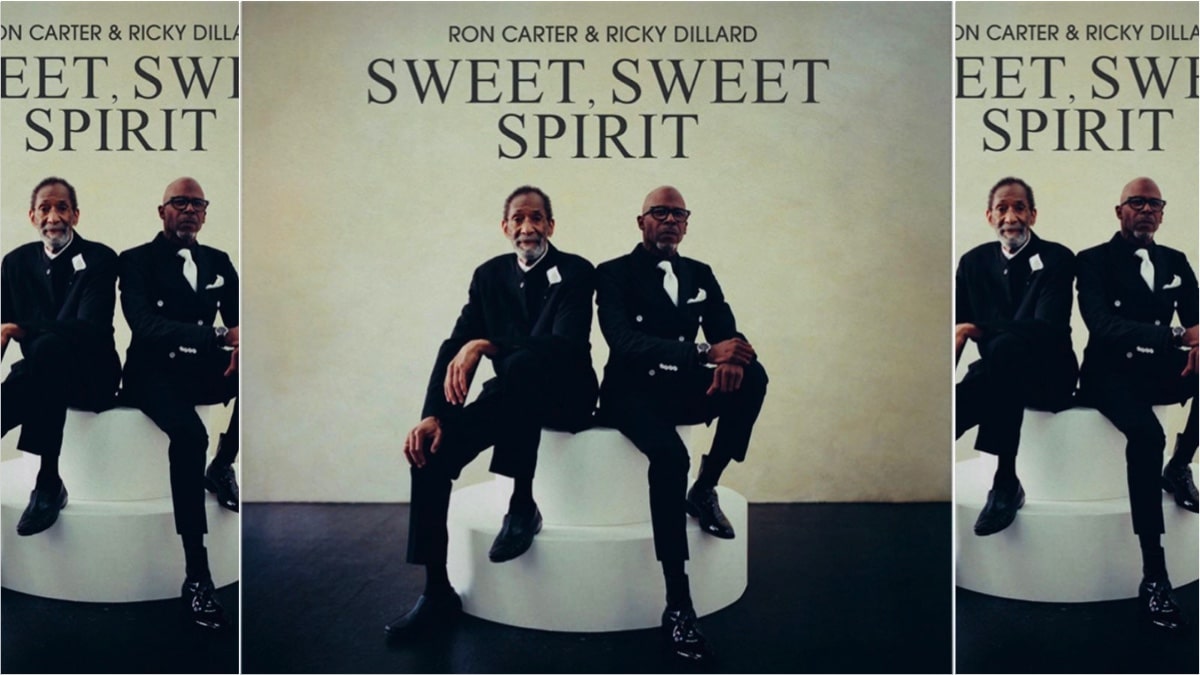
Ron Carter is an American Double Bassist with a career spanning more than 60 years who has recorded over 2200 albums. This is a Guinness World Record. He is not only a musician, but also a teacher, a band leader, and an author. He won three Grammys and earned seven honorary doctorates. His new album “Sweet, Sweet Spirit”, with choirmaster Ricky Dillard and New G, was released on 6 February.
KB: Your new album “Sweet, Sweet Spirit”… What was the creative process?
I shared the recordings I made for my mom 30 years ago, and Dr. Dillard and I worked together (along with Zeke Listenbee) on the arrangements to weave the choir, instrumentation, and merge the jazz-gospel genres.
KB: Does the album title have a special meaning?
Aside from being the title of one of the hymns on the album, it embodies the spirit of my mother, and the inspiration and joy I hope everyone feels when listening to this music.
KB: What is the album’s story?
The story on my website tells it best:
The hymns on this album have an independent and deep history for the gospel community, in addition to having been integrated weekly into the life and musical development of the Carter family in the intimate Detroit church community they attended. A church that depended solely on the voices of the parishioners as instruments.
When Willie O. Carter was on bed rest toward the end of her life, she asked her son to sit with her and sing the hymns of his childhood to keep her spirits elevated in musical reminiscence. Mr. Carter promptly went home, recorded himself composing his bass lines integrated with the hymns, for his mother to enjoy during the final weeks of her life.
KB: You collaborated on this album with Dr. Ricky Dillard… How did this come about?
We met when Don Was (President of Blue Note Records) introduced us. He knew I wanted to do an album of hymns, and he knew that Dr. Dillard and I would make a formidable musical team. He and his choir were wonderful. We were able to meld jazz and gospel in a way that has never been done before.
KB: Which musicians are working with you on the album?
In addition to Ricky Dillard and New G, The Baylor Project is on “Farther Along”, Wendy Wyatt is incredible on “Softly and Tenderly”, Avery Sunshine on “Just a Closer Walk with Thee,” and Tim White on “In The Garden”.
KB: Which basses and equipment did you use on the album?
Only my upright Juzek bass and Epifani amp.
KB: I did an interview with Brandi Disterheft, and she called you her mentor.
Brandi is a wonderful student starting to make some headway in the industry. I’m just the bass teacher.
KB: What are the rest of your plans for this year?
No tour plans for this album at the moment, although I’ve got a pretty busy recording and touring schedule this year.
Follow Online
Website
Facebook
Instagram
YouTube
Spotify


Back in May 2021, I had the pleasure of speaking with a talented nine-year-old bassist named Ellen Alaverdyan, who was just beginning to make waves in the music world (View Interview). Even then, her passion, dedication, and remarkable talent hinted at a bright future ahead.
Today, I’m excited to welcome Ellen back, along with her father, professional guitarist Hovak Alaverdyan, following the release of Take Off, the debut album from Ellen’s band, Jaminai.
Join me as we discuss the making of this exciting new project, explore how Ellen developed her now-signature bass tone and style, and learn what lies ahead for this young musician whose career continues to soar.
Please welcome Ellen and Hovak Alaverdyan!
Album cover artwork, Ellen Alaverdyan

Header Photo, Hovak Alaverdyan
Featured Videos:
Follow Online:
Website: www.EllenPlaysBass.com
Facebook: www.facebook.com/EllenPlaysBass
Instagram: www.instagram.com/ellenplaysbass
YouTube: www.youtube.com/@EllenPlaysBass
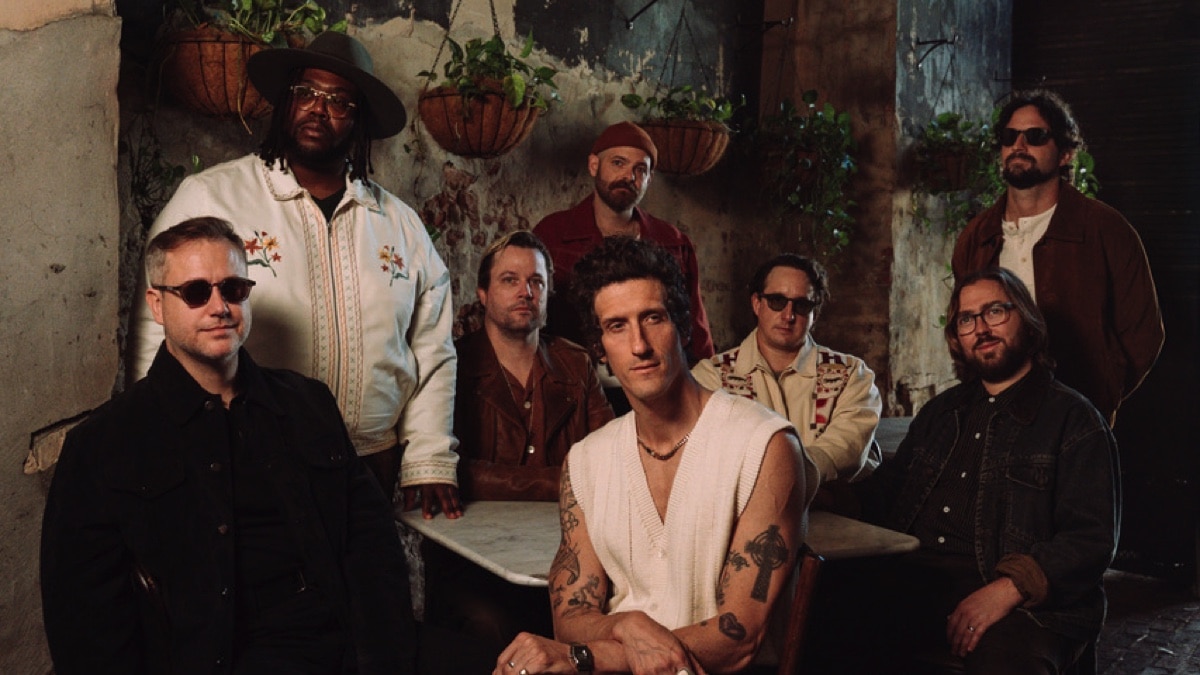
It’s hard to believe that I’ve been chatting with George Gekas, bassist for The Revivalists, for more than a decade. Over the years, we’ve connected during some of the band’s biggest moments, and now they’re preparing to release their sixth full-length studio album, Get It Honest, on July 24, making it the perfect time for another conversation.
Join me as we dive into the making of the new album, discuss what fans can expect from this exciting new chapter, and explore all the great things on the horizon for the band.
Here is George Gekas!
Photo, TommyMoore
Featured Videos:
Visit Online:
www.therevivalists.com
YTB, FB, IG, X @therevivalists
TikTok @therevivalistsband

Adam Russell, bassist for Story of the Year, hasn’t slowed down for a second.
With the band’s latest album A.R.S.O.N. dropping on February 13, 2026, they’ve not only delivered new music but also pushed their creativity further through a series of visually striking videos, several of which Adam himself co-directed and edited.
In this interview, we dive into the making of the new record, explore how Adam shapes his signature bass sound, and get the inside scoop on the band’s upcoming Camp Screamo Tour with Silverstein and Origami Angel.
Here’s Adam Russell.
Photo: Ryan Stephens
Featured Videos:
Visit Online:
IG @storyoftheyear
TT @storyoftheyear
FB @storyoftheyear
X @StoryoftheYear
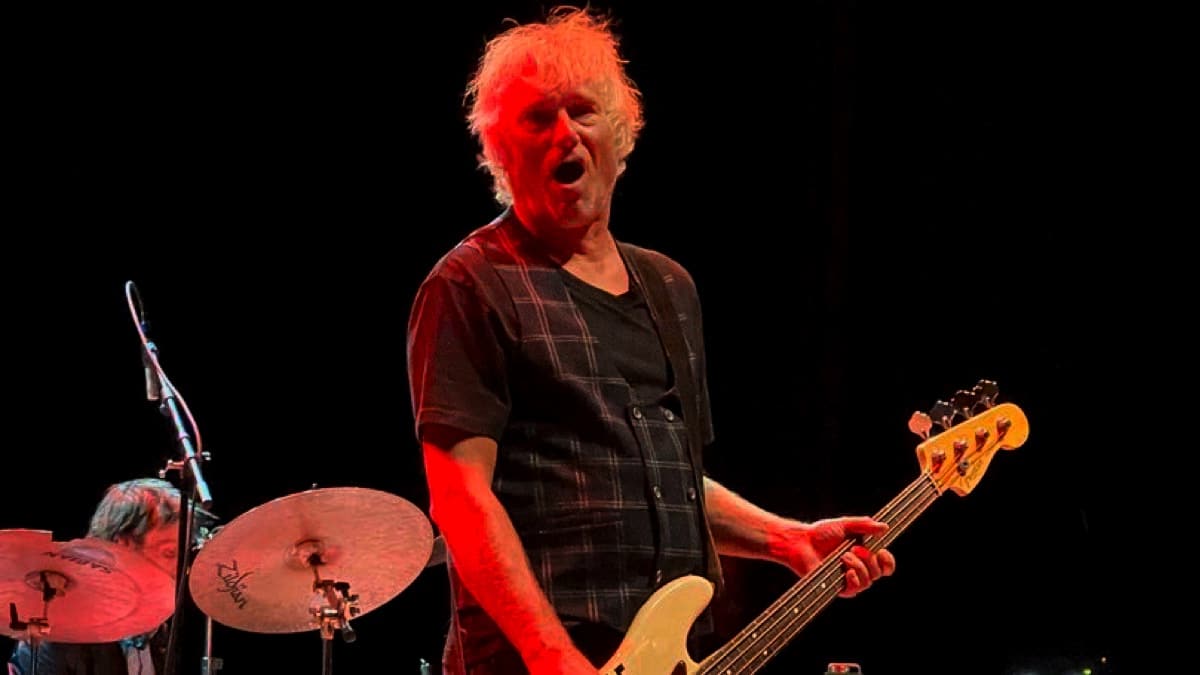
Get ready for a conversation with one of Southern rock’s enduring forces, Tim Neilsen. For over 35 years, Drivin N Cryin has been delivering a powerful blend of grit, melody, and heart, and they’re not slowing down anytime soon. With their brand-new album “Crushing Flowers” set to drop on April 10th, the band is gearing up for another exciting chapter.
At the core of that signature sound is bassist Tim Nielsen, whose driving grooves have helped define the band’s identity and earned them a place in the Georgia Music Hall of Fame.
In this interview, we sit down with Tim to talk about the new album, the secrets behind his unmistakable tone, and what lies ahead for Drivin N Cryin.
Here is Tim Nielsen.
Photos: Chris Neilsen, Carlton Freeman, Ted Lanthangue, and courtesy Tim Neilsen
Featured Videos
Visit Online
www.drivinncryin.com
FB & IG @drivinncryin

Interview With Bassist Ellen Alaverdyan and Guitarist Hovak Alaverdyan

Gear News: Fender Honors James Jamerson with a 1962 Precision Bass

Artist Update With The Revivalists’ Bassist George Gekas

Maestro Ron Carter, Sharing the Spirit – June/July 2026 Issue

New Music: Danielle Nicole, Tug Of War

Right Hand Technique Strategies with Dr. Randy Kertz

May 4 Edition – This Week’s Top 10 Basses on Instagram
May 11 Edition – This Week’s Top 10 Basses on Instagram
May 18 Edition – This Week’s Top 10 Basses on Instagram